
 There were less then 1500 qualified ground crew members in the whole
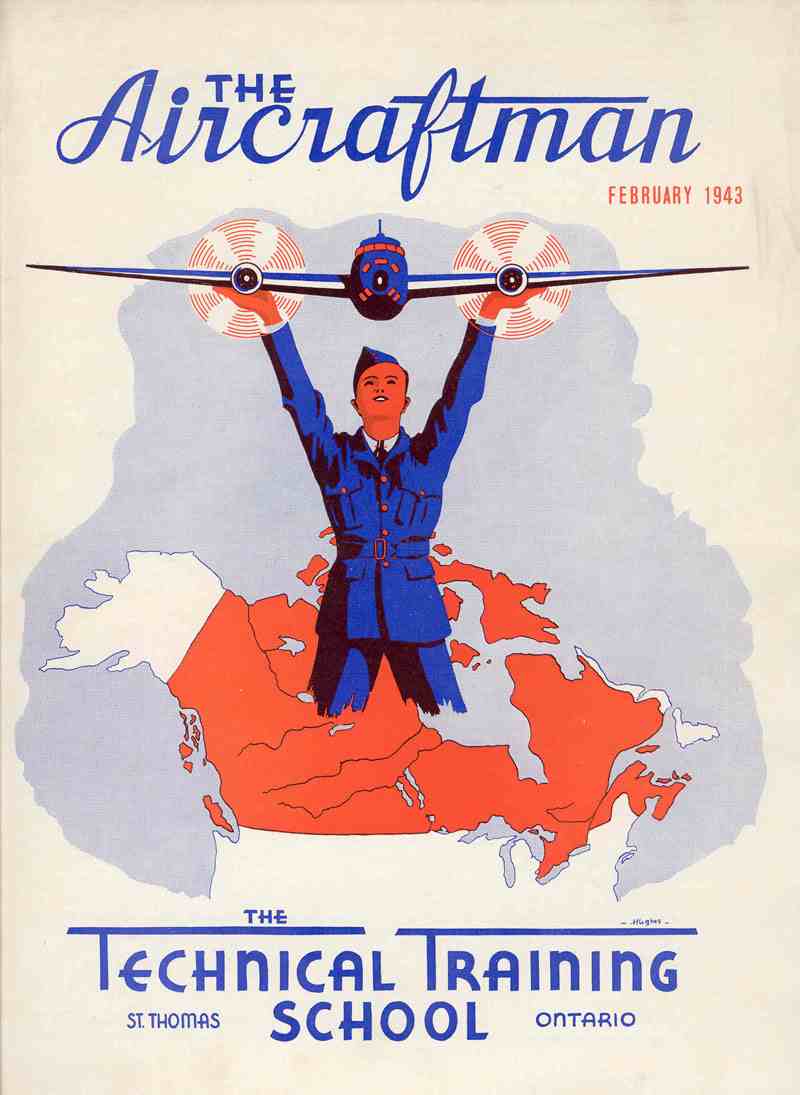
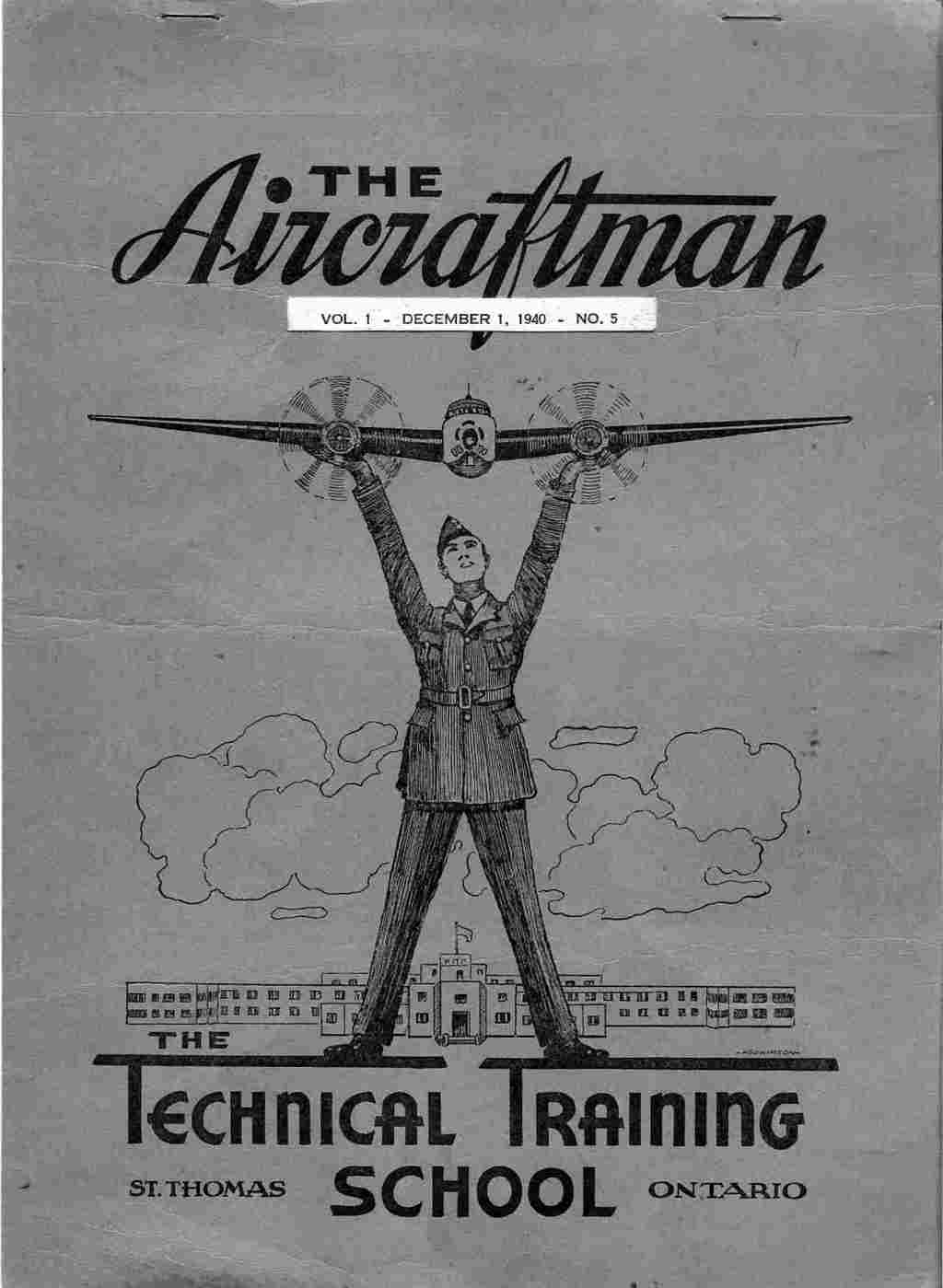
air force in 1939. That number would grow quickly. St. Thomas with accommodations for up to 2000 students spending
an average of six months learning their trades. In some cases an overlap of old and new skills were part of the courses.
Over the years the courses would be changed to meet the requirements of new aircraft and equipment. Training in fabric
repairs related to aircraft such as the bi-plane trainers and the Wellington bomber would be found on the Air Frame Riggers
course in addition to the skills of sheet metal to be used in the more newer aircraft that were being introduced.
There were less then 1500 qualified ground crew members in the whole
air force in 1939. That number would grow quickly. St. Thomas with accommodations for up to 2000 students spending
an average of six months learning their trades. In some cases an overlap of old and new skills were part of the courses.
Over the years the courses would be changed to meet the requirements of new aircraft and equipment. Training in fabric
repairs related to aircraft such as the bi-plane trainers and the Wellington bomber would be found on the Air Frame Riggers
course in addition to the skills of sheet metal to be used in the more newer aircraft that were being introduced.
 The Props on their arms was
not really a sign of rank, only that they were Leading Aircraftman. With no "s" in the name. A true NCO rank would start at Corporal.
The next step was on hands training, at one of the many flight training schools across the country.
The Props on their arms was
not really a sign of rank, only that they were Leading Aircraftman. With no "s" in the name. A true NCO rank would start at Corporal.
The next step was on hands training, at one of the many flight training schools across the country.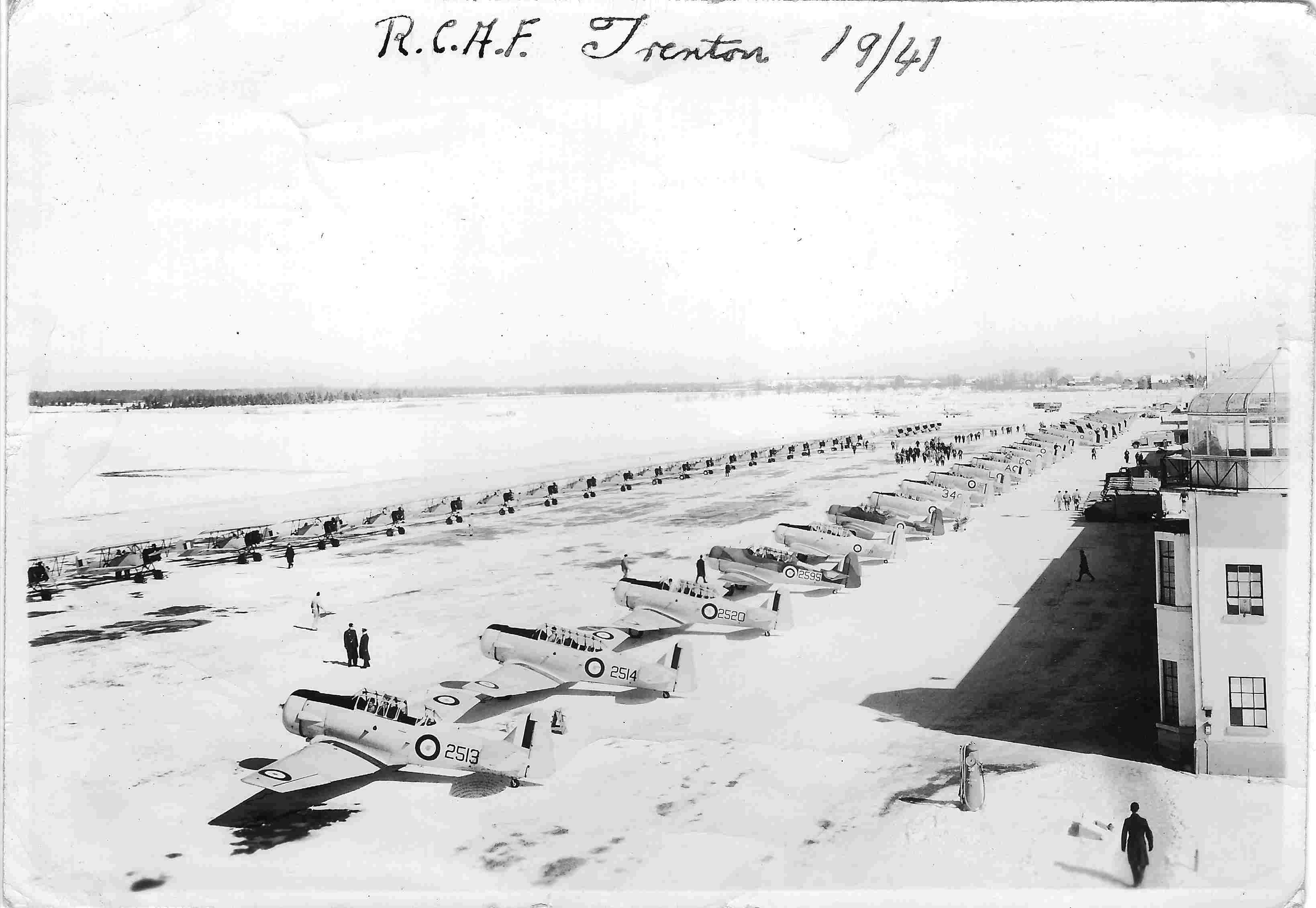 The different trades that graduated from
St. Thomas, Aero Engine Mechanics, Air Frame Mechanics, Instrument and Wireless Mechanics and Electricians would be spread out
to the Elementary Flying Schools, and Service Flying Training Schools across Canada. Aircraft at these training schools experienced a
lot of hard use. The amount of time spent at these facilities varied, some would spend the war at them others would apply for duty
overseas after a period of time honeing their skills. For those who went overseas, training also continued, the squadrons would have classes led by the
Squadron Leader responsible such as Squadron Signals Leader or Squadron Engineering Officer. At times members of the Air Ministry would be the
lecturers of the courses. Each member of Trades would have to periodically pass exams set by the Trade Test Board. Each trade had there own Test Board.
The different trades that graduated from
St. Thomas, Aero Engine Mechanics, Air Frame Mechanics, Instrument and Wireless Mechanics and Electricians would be spread out
to the Elementary Flying Schools, and Service Flying Training Schools across Canada. Aircraft at these training schools experienced a
lot of hard use. The amount of time spent at these facilities varied, some would spend the war at them others would apply for duty
overseas after a period of time honeing their skills. For those who went overseas, training also continued, the squadrons would have classes led by the
Squadron Leader responsible such as Squadron Signals Leader or Squadron Engineering Officer. At times members of the Air Ministry would be the
lecturers of the courses. Each member of Trades would have to periodically pass exams set by the Trade Test Board. Each trade had there own Test Board.